

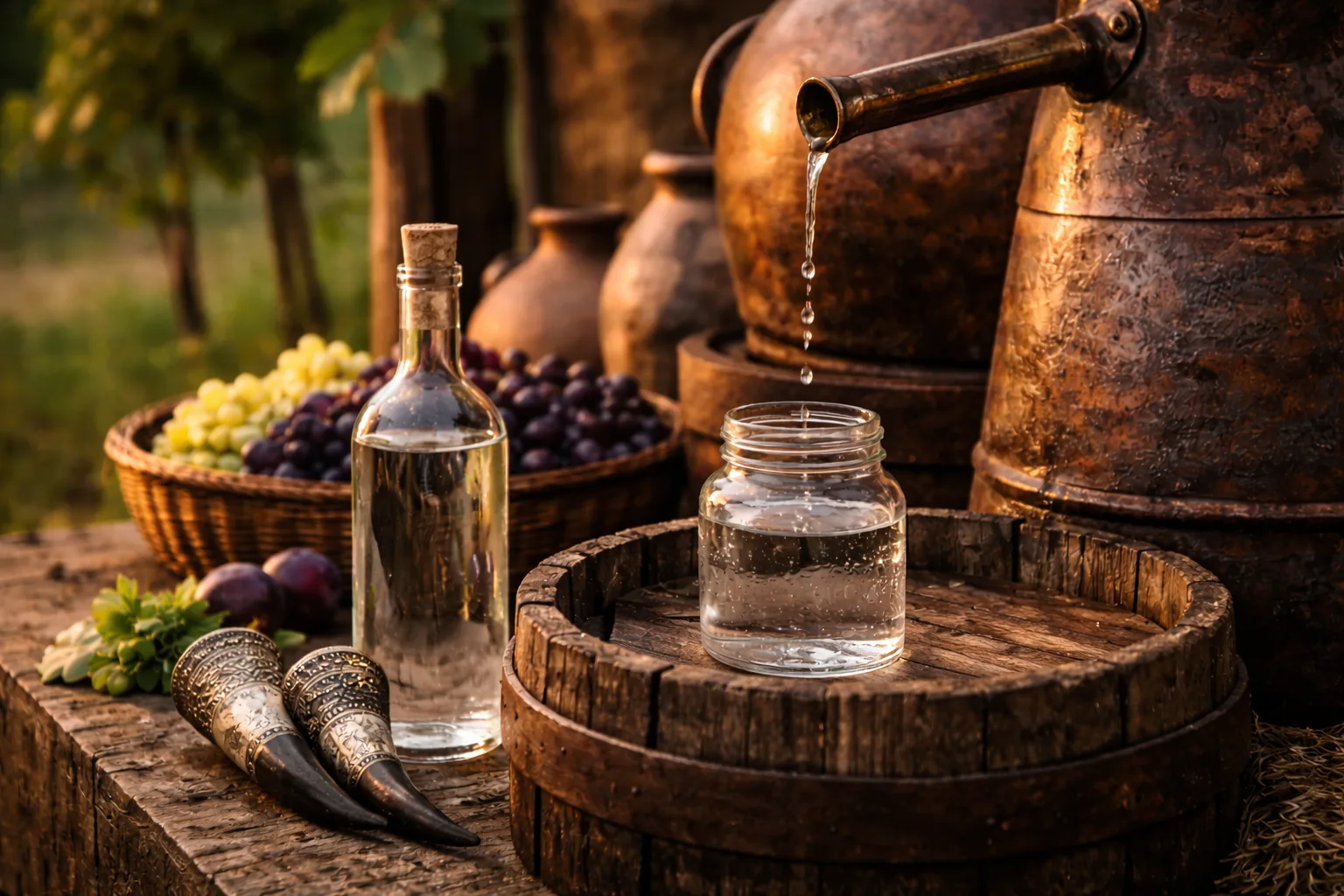
Photos generated by AI
Introduction
Few drinks represent Georgian identity as powerfully as chacha — the strong traditional spirit deeply connected to family, hospitality, winemaking, and rural life.
Often called “Georgian grape vodka,” chacha is far more than a strong alcoholic drink. It is part of everyday culture, celebration, and history. For generations, Georgian families have produced homemade chacha using traditional methods passed down from grandparents to children.
In villages across Georgia, chacha is offered to guests with pride, shared during supras, and respected as both a celebratory drink and a symbol of resilience and craftsmanship.
Strong, aromatic, and unforgettable, chacha remains one of the true spirits of Georgia.
What Is Chacha?
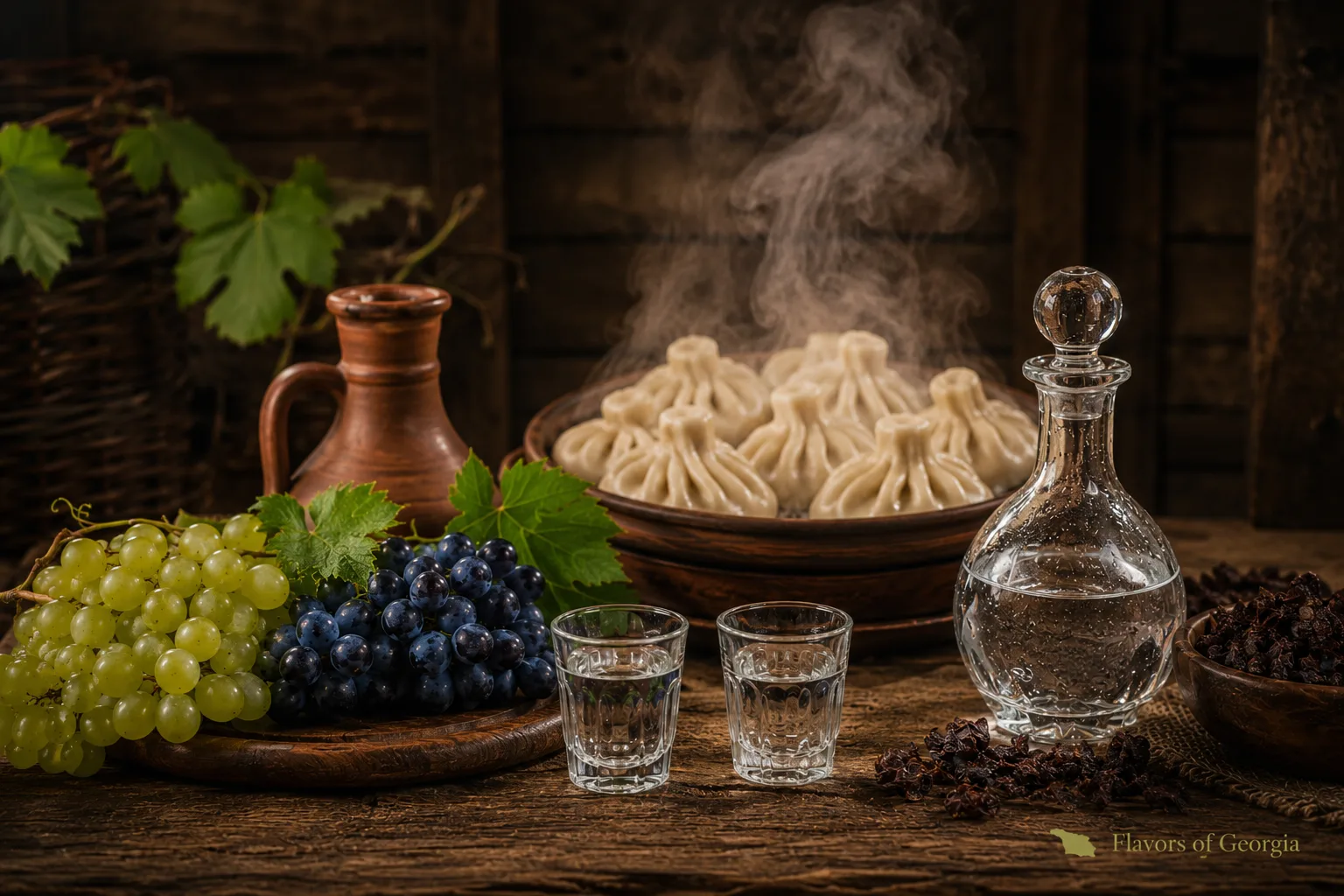
Chacha is a traditional Georgian distilled spirit usually made from grape pomace — the leftover grape skins, seeds, and stems remaining after wine production.
Instead of wasting these materials, Georgian winemakers transform them into a powerful clear spirit through distillation.
Traditional chacha is known for:
High alcohol content
Strong grape aroma
Smooth but intense flavor
Homemade character
Natural production methods
Depending on the region and production style, chacha can range from approximately 40% to over 60% alcohol.
The Origins of Chacha
Chacha has been produced in Georgia for centuries, especially in wine-producing regions where grape cultivation has always been central to daily life.
Historically, rural Georgian families created chacha as:
A way to preserve grape harvest leftovers
A warming winter drink
A celebratory spirit
A symbol of hospitality
Almost every village household once had its own homemade recipe and distillation equipment.
Even today, many Georgian families proudly continue producing chacha at home using traditional methods.
How Traditional Chacha Is Made
The process of making chacha begins after wine production.
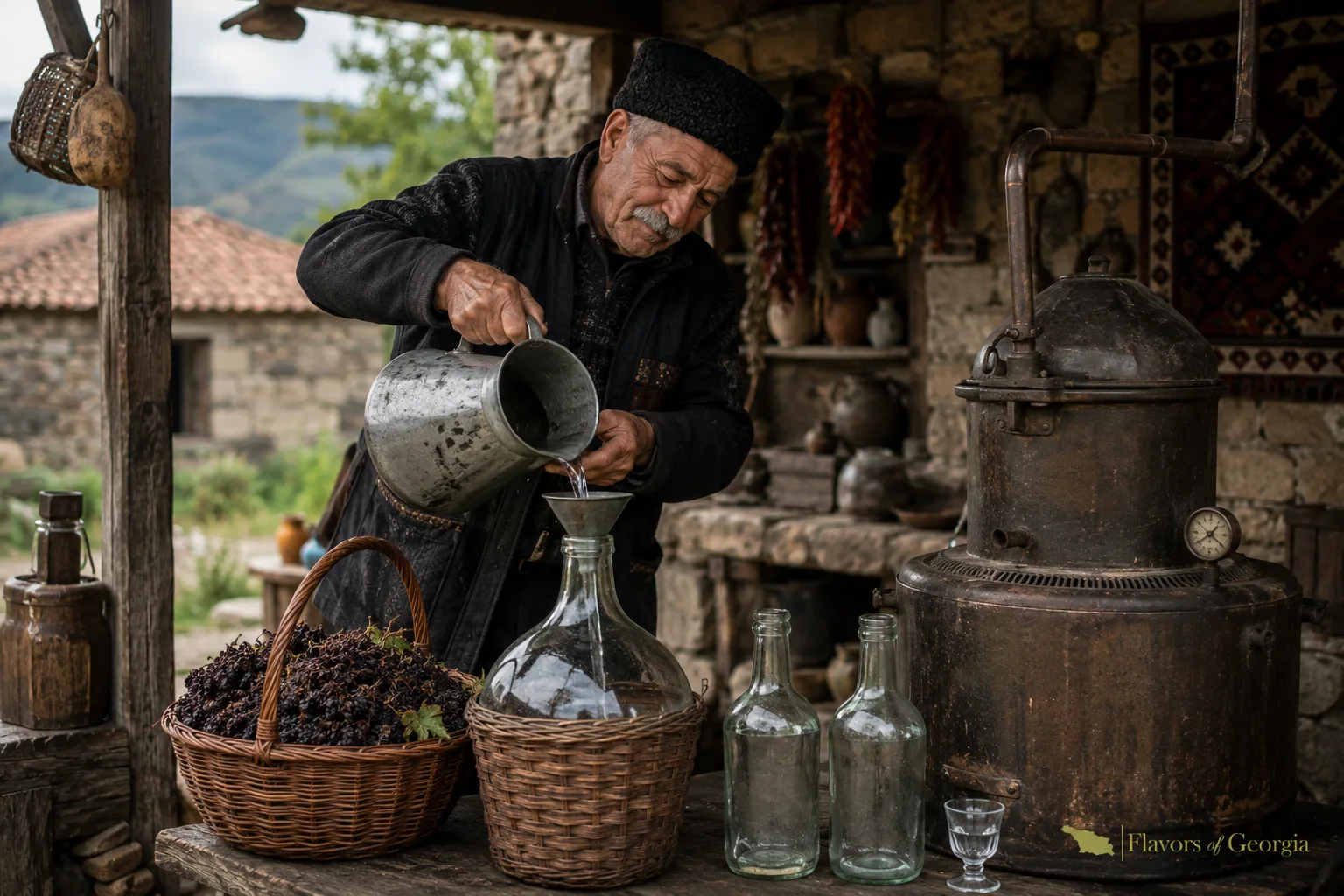
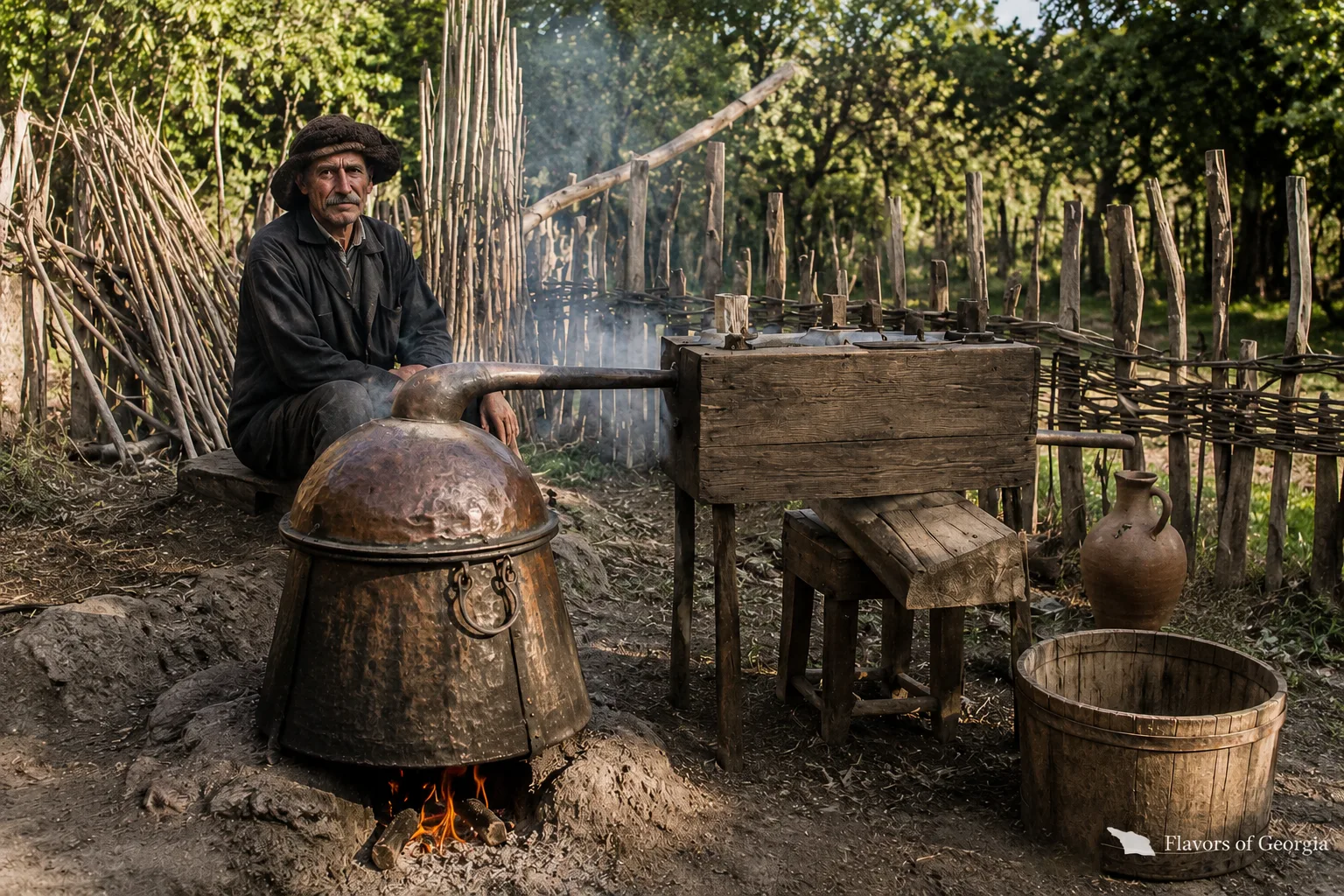
The leftover grape pomace is collected and fermented before being distilled inside traditional copper stills.
The basic steps include:
Fermentation
The grape skins and stems continue fermenting naturally after wine is made.
Distillation
The fermented material is heated inside a copper distillation vessel.
As alcohol vapor rises, it is cooled and collected as liquid chacha.
Aging (Optional)
Some chacha is consumed immediately, while other varieties are aged in:
Oak barrels
Mulberry wood barrels
Walnut wood barrels
Aged chacha develops darker color and more complex flavors.
Different Types of Chacha
Chacha varies significantly depending on region, grape variety, and aging method.
White Chacha
The most common style.
Clear color
Sharp aroma
Fresh grape flavor
Usually unaged
Aged Chacha
Stored in wooden barrels.
Golden or amber color
Softer taste
More complex aroma
Fruit Chacha
In some regions, Georgians also distill spirits from:
Figs
Persimmons
Mulberries
Pears
Plums
These drinks are often still casually called “chacha” in rural areas.
Chacha in Georgian Culture
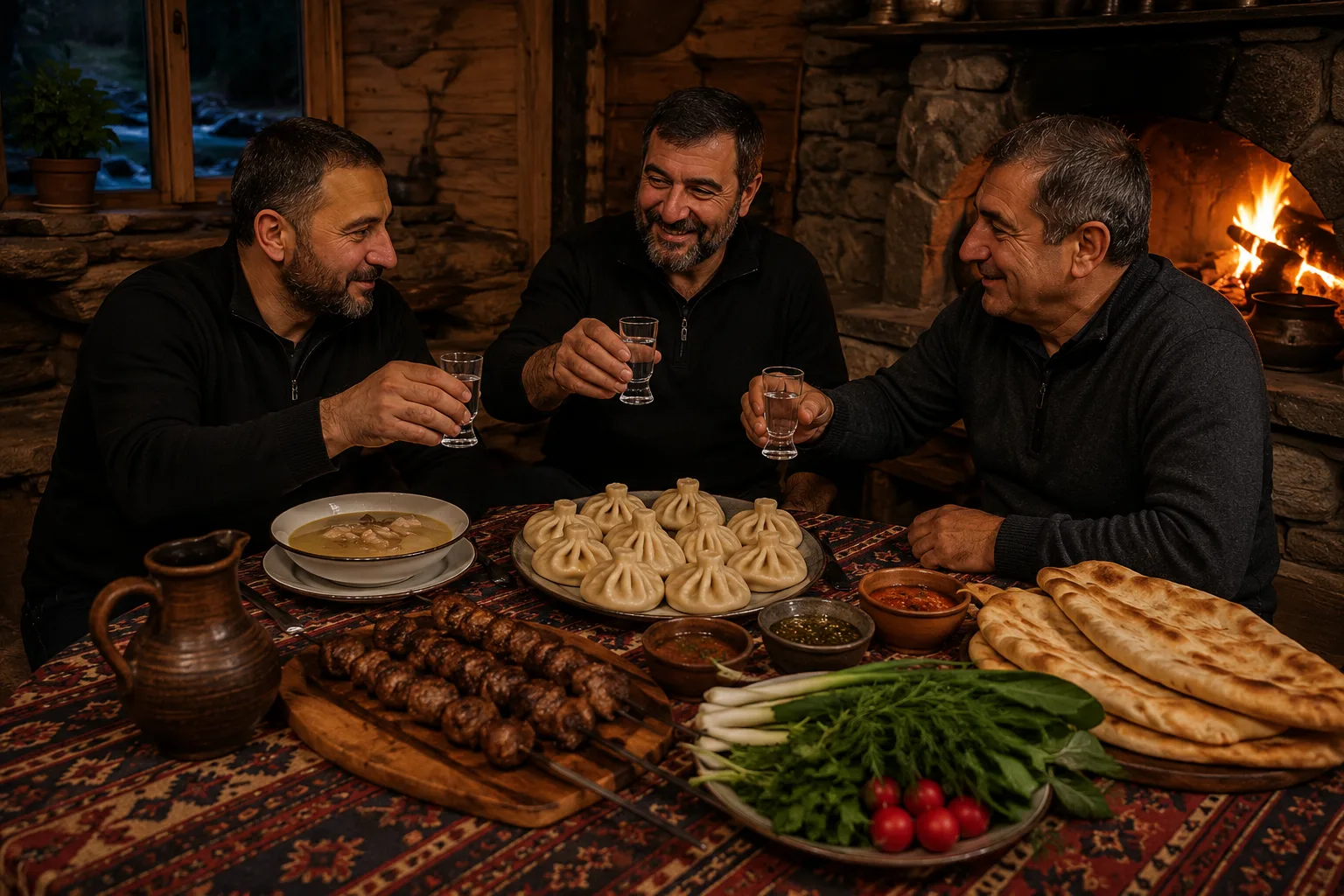
Chacha is deeply connected to Georgian hospitality.
Guests visiting a Georgian home are often welcomed with:
Homemade wine
Fresh food
A small glass of chacha
In villages, chacha is sometimes used:
During winter gatherings
At celebrations
During harvest season
As a traditional remedy for cold weather
Older generations often jokingly describe chacha as “Georgian medicine.”
Regional Chacha Traditions
Different regions of Georgia produce distinctive styles of chacha.
Kakheti
Known for strong grape-based chacha connected to large wine production traditions.
Guria and Samegrelo
Often produce extremely strong homemade varieties.
Mountain Regions
Chacha plays an important role during cold winters and gatherings.
Each family often claims their own chacha is the strongest and best.
Chacha and the Supra
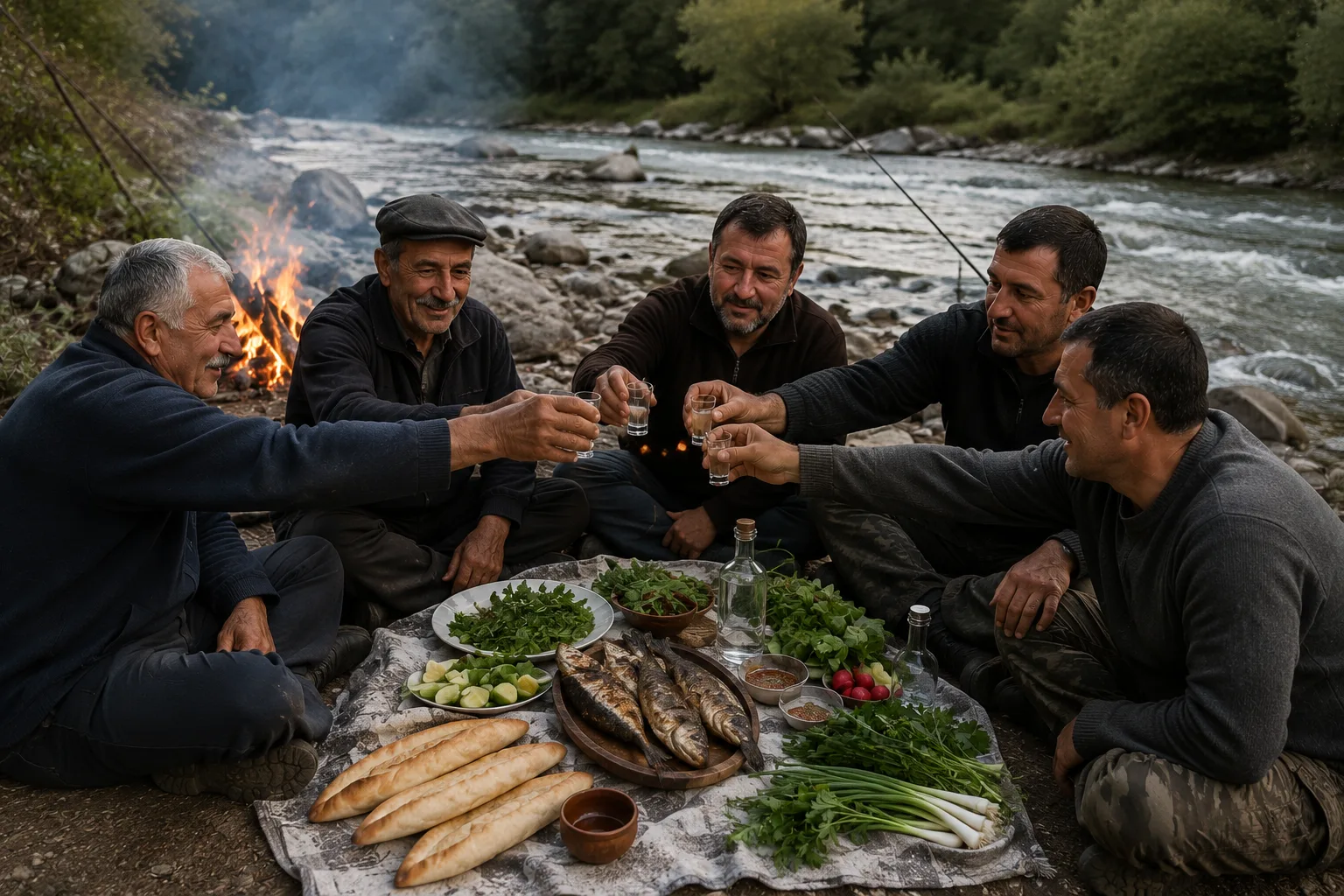
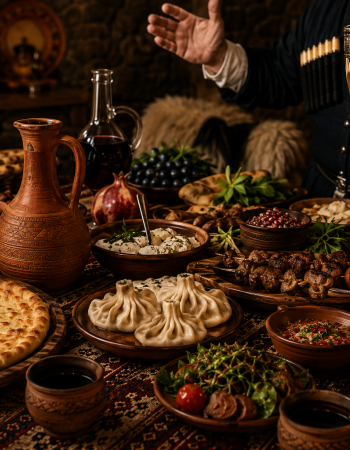
Although wine remains central to the Georgian supra, chacha often appears during smaller gatherings, winter feasts, and informal celebrations.
It is usually served in:
Small glasses
Clay cups
Traditional settings with toasts
Unlike wine, chacha is consumed more carefully due to its strength.
Still, offering chacha to a guest is considered a sign of warmth and generosity.
Modern Chacha Production
Today, chacha is no longer only homemade.
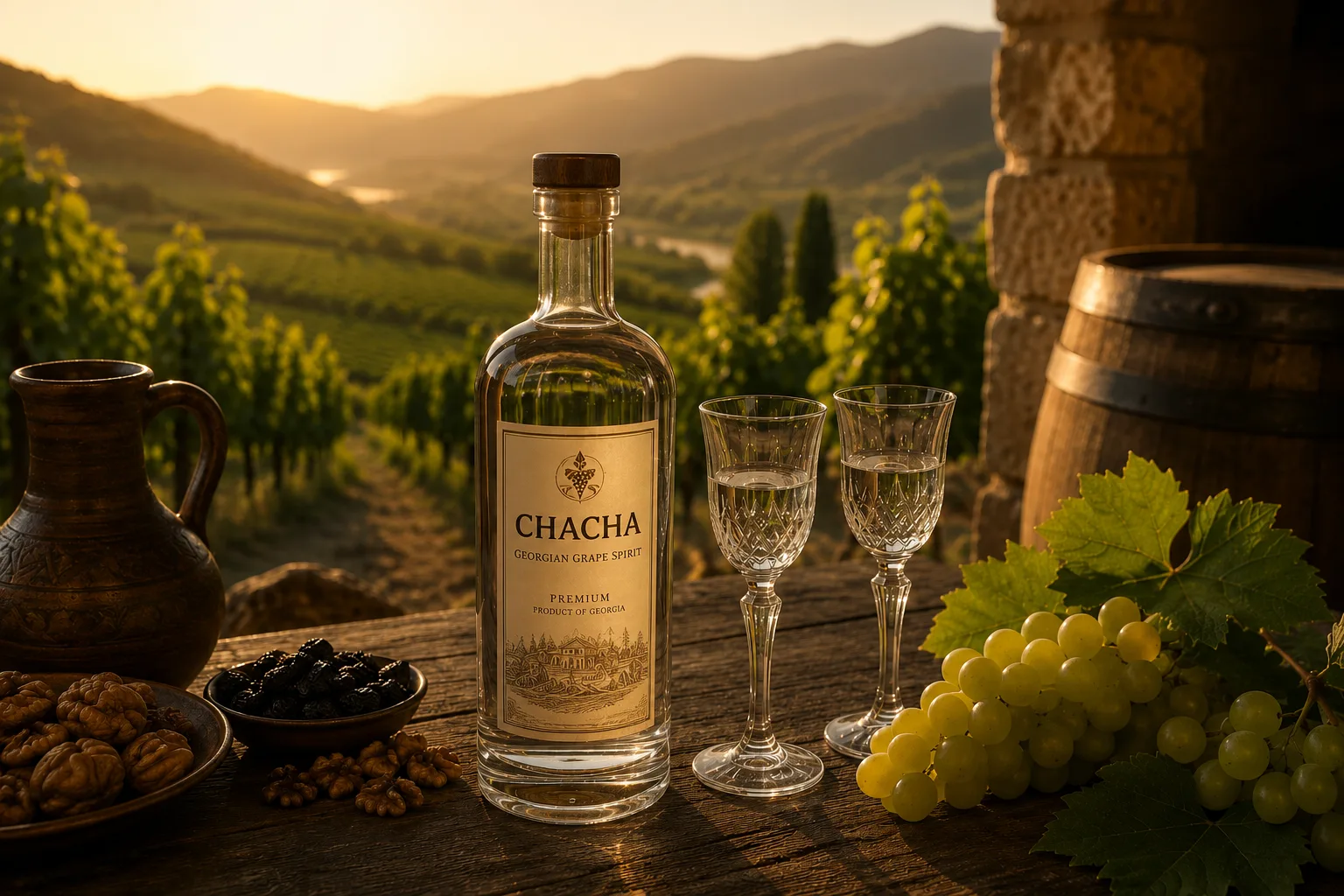
Modern Georgian distilleries now produce premium bottled chacha for international markets.
Some modern brands focus on:
Organic production
Single grape varieties
Barrel aging
Premium export quality
Chacha has increasingly gained international recognition as part of Georgia’s unique gastronomic and wine culture.
The Taste of Chacha
The flavor of chacha depends heavily on production methods and grape varieties.
Good chacha is often described as:
Strong but smooth
Fruity
Warm
Earthy
Aromatic
Homemade versions can be extremely powerful, while modern commercial chacha is usually more refined and balanced.
Chacha is more than a strong drink — it is part of Georgian identity itself.
From rustic village distillation traditions to modern premium bottles, chacha reflects the resourcefulness, hospitality, and winemaking heritage of Georgia.
Whether shared among friends during a winter gathering or offered proudly to guests at a supra, chacha continues to symbolize warmth, celebration, and the enduring spirit of the Georgian people.


Search Recipes by category

 46
46  Chef Beso

Login Required
Loading login form...